Coordinates are the trailhead and summit points from the editor's own GPS track.
Watch
Watch this hike on video
Editor's note
Editor's note
編集長
Climbed on:2026-10-05
Houou Sanzan is a Southern Alps ridge walk linking the three peaks of Jizodake, Kannondake and Yakushidake. Above all, the Dondoko-sawa route starting from Aokikosen is a varied path where the famous falls come one after another — Minami-Shojigataki, Shiraito-no-Taki and Goshiki-no-Taki. In return, steep climbing continues from early on and both the distance and elevation gain are large, so a day trip is for strong, experienced hikers, and a hut stay is the realistic choice for most.
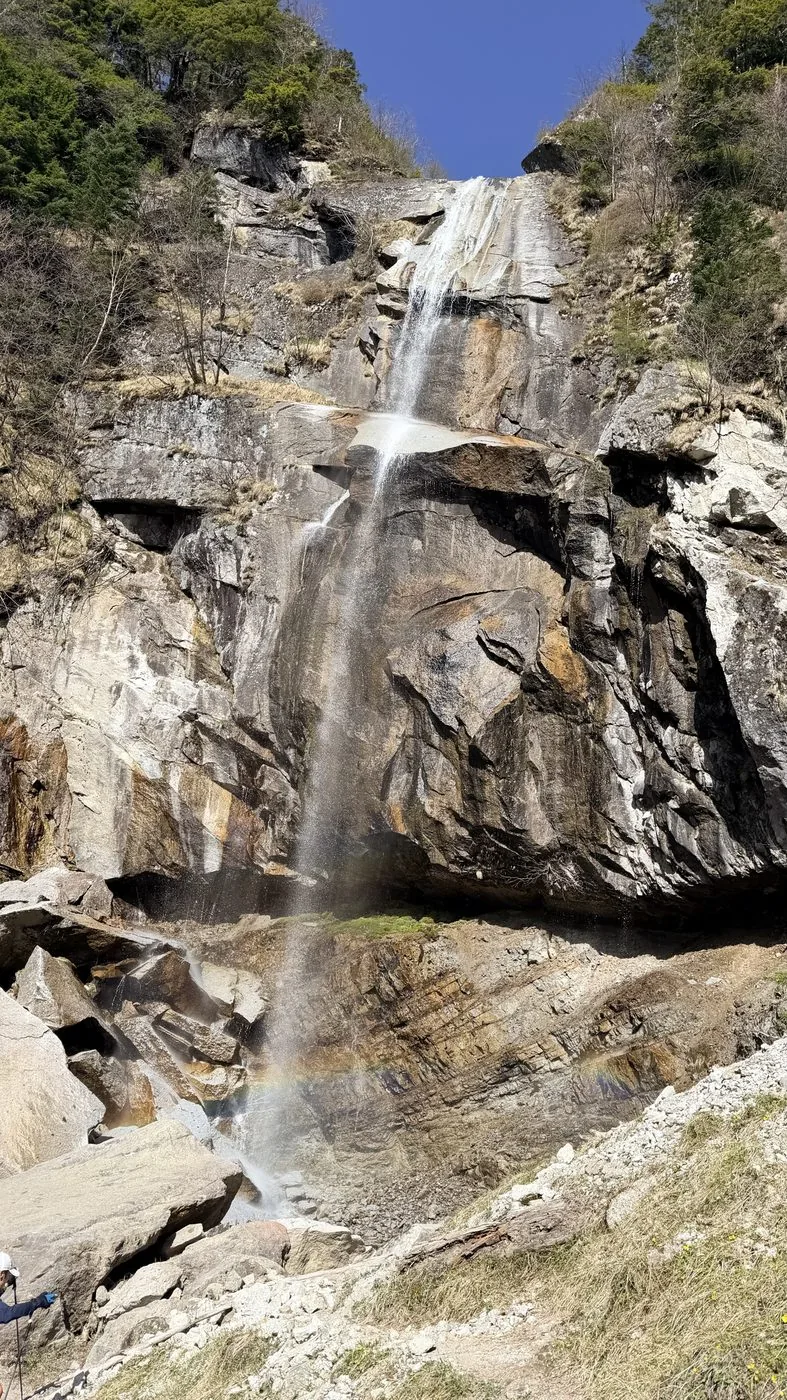
In the video from the hike on 19 May 2026, the editor stops at each of these three falls. At Minami-Shojigataki, he looks out over the falls after climbing the rock route to the top ([video 13:36](https://www.youtube.com/watch?v=o28VAHB0pGc&t=816s)). For Shiraito-no-Taki, he notes that although there is a waterfall of the same name in Shizuoka Prefecture, this one is in the Southern Alps ([video 15:52](https://www.youtube.com/watch?v=o28VAHB0pGc&t=952s)). Goshiki-no-Taki sits a little below the outbound route, and a rainbow hung over it when he visited ([video 18:38](https://www.youtube.com/watch?v=o28VAHB0pGc&t=1118s)).
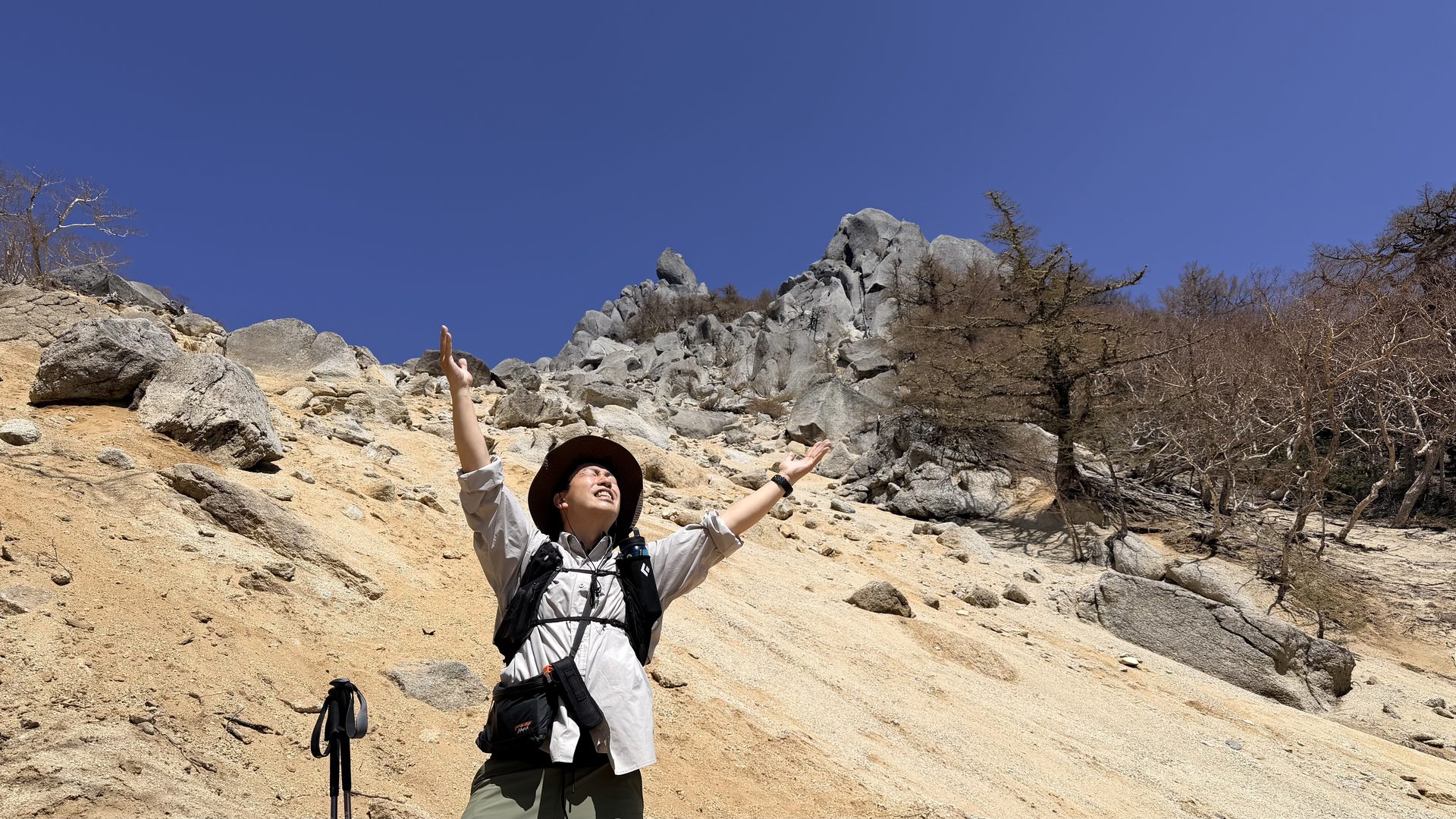
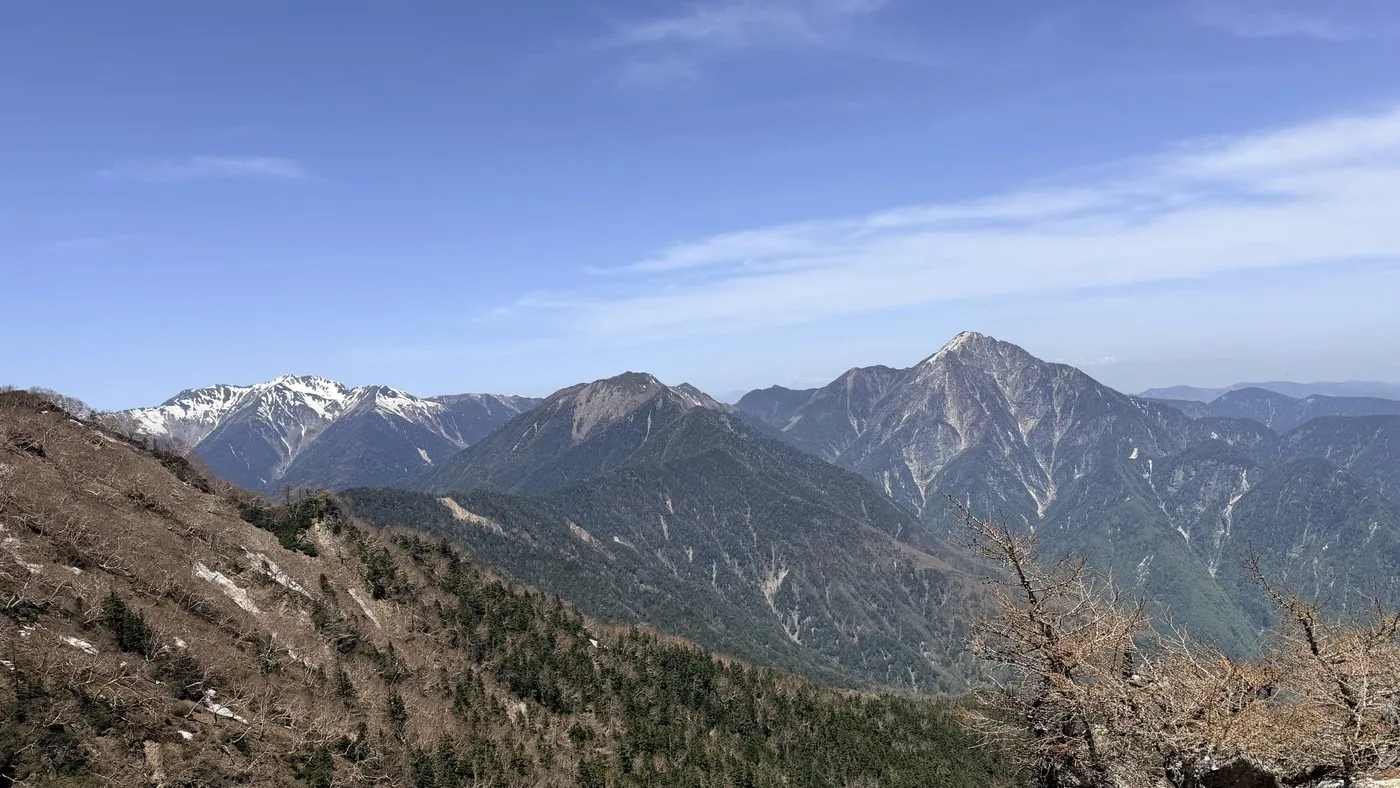
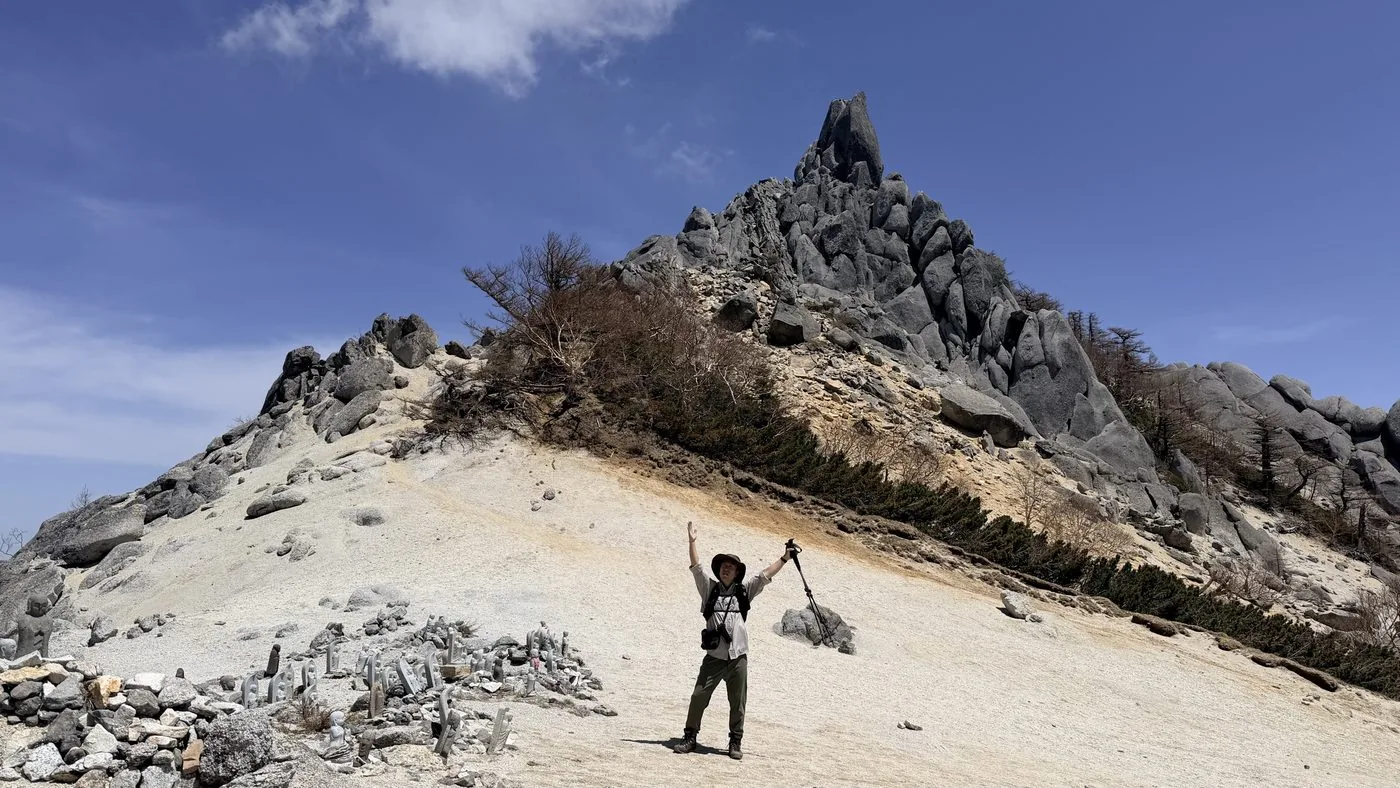
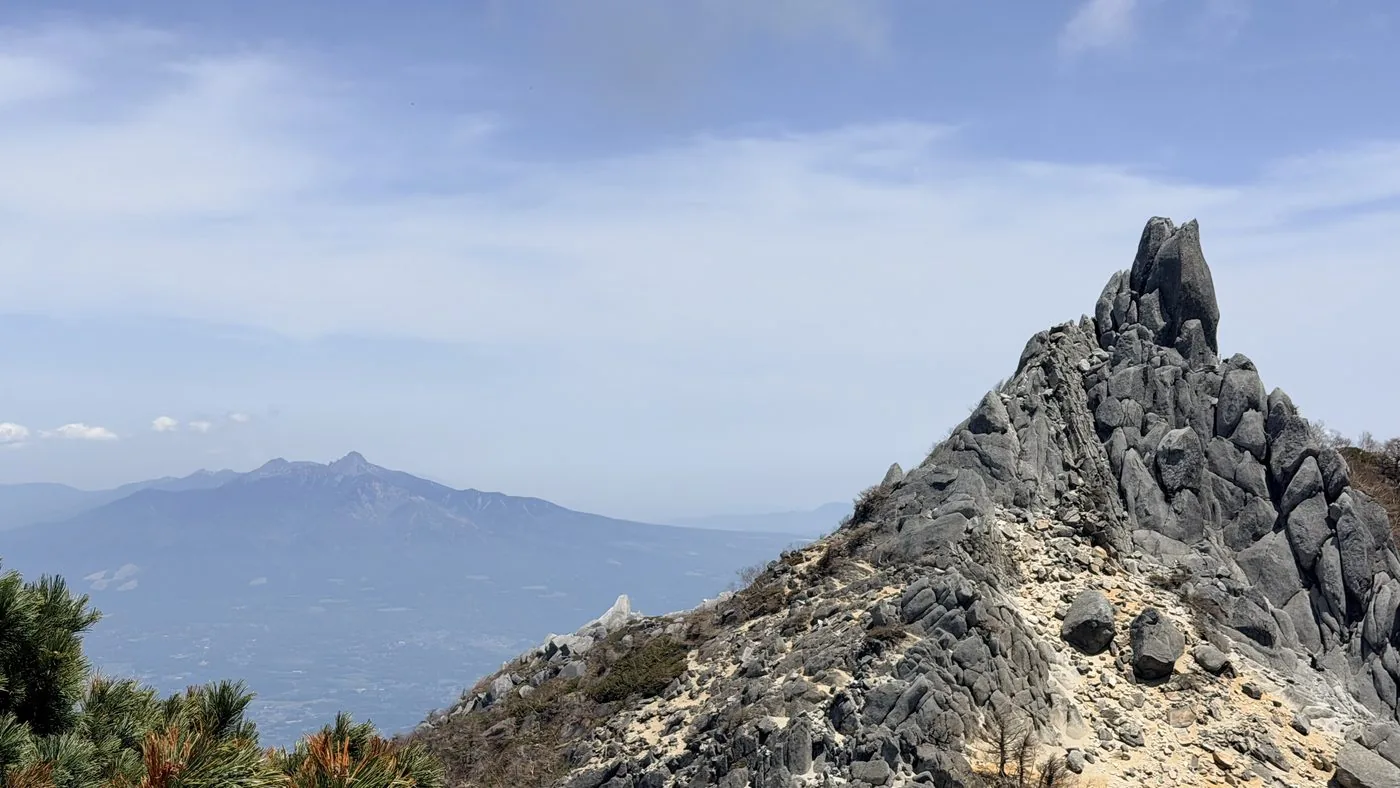
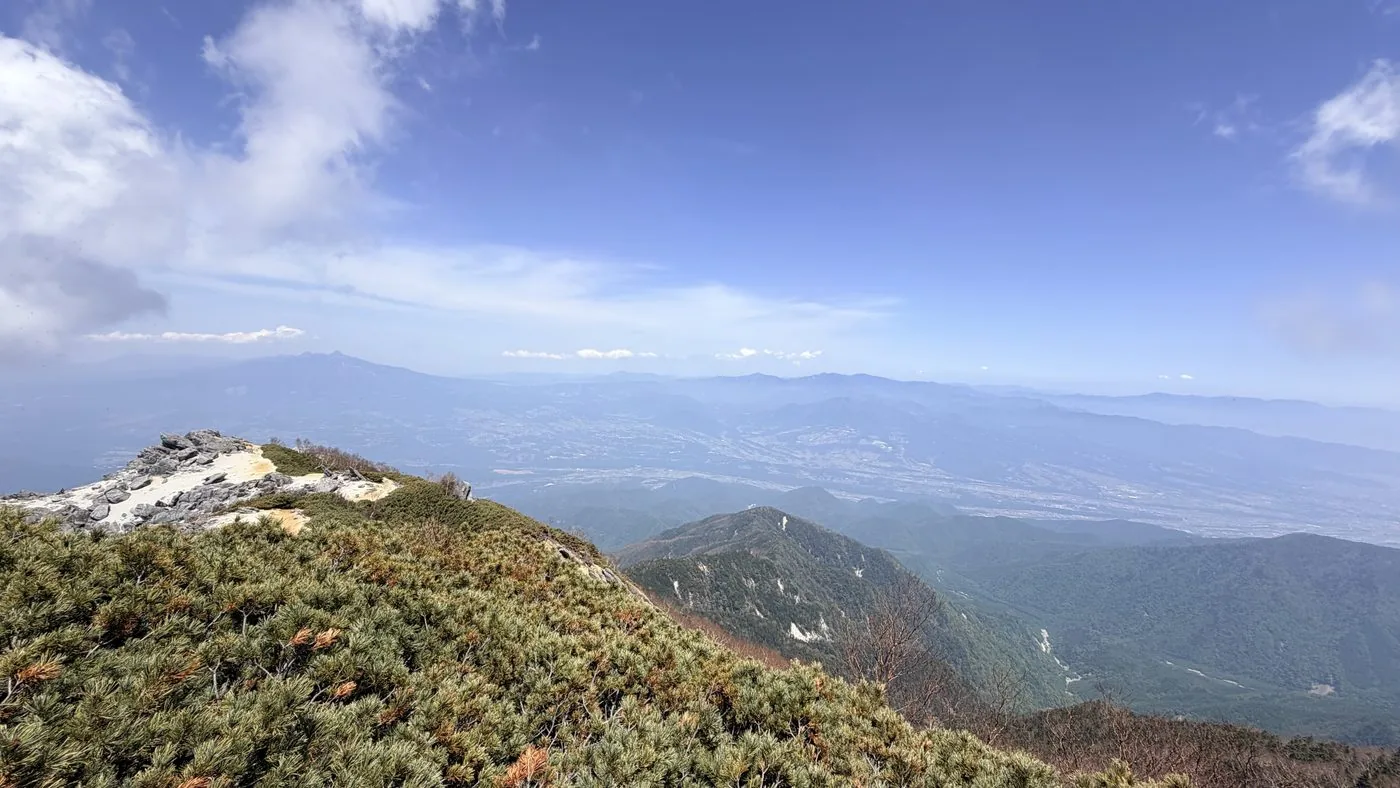
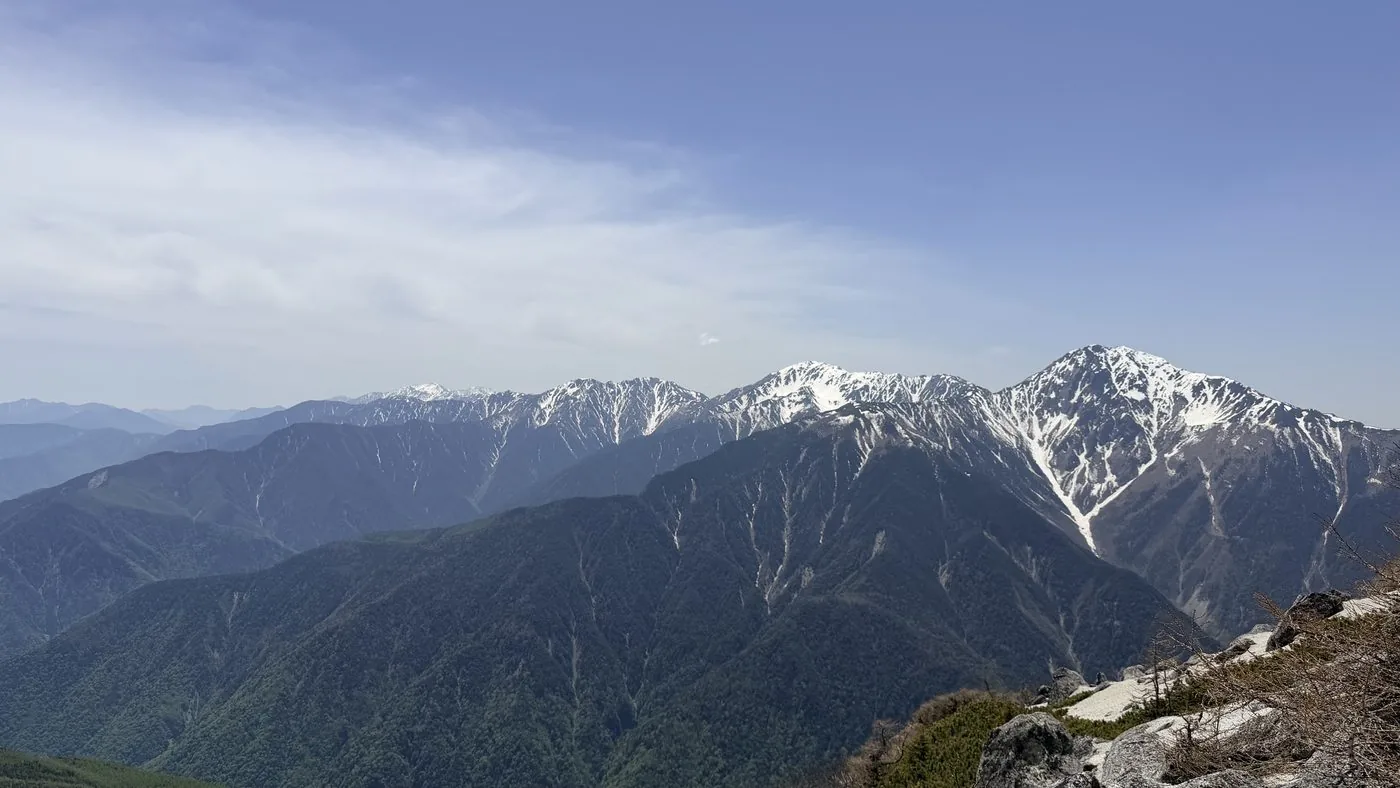
The crux is the length of the climb, and the Obelisk that is the symbol of Jizodake. Reaching the top requires a rope and it is not generally climbed, but even just looking up at the great granite tower is overwhelming. From Jizodake to the highest peak, Kannondake, there is a surprising amount of re-ascent, so you want to keep some energy in reserve. If it is clear, from Kannondake you can look all the way around to Mt. Fuji, the Shirane Sanzan of Kitadake, Ainodake and Notoridake, Kaikomagatake, and even Yatsugatake.
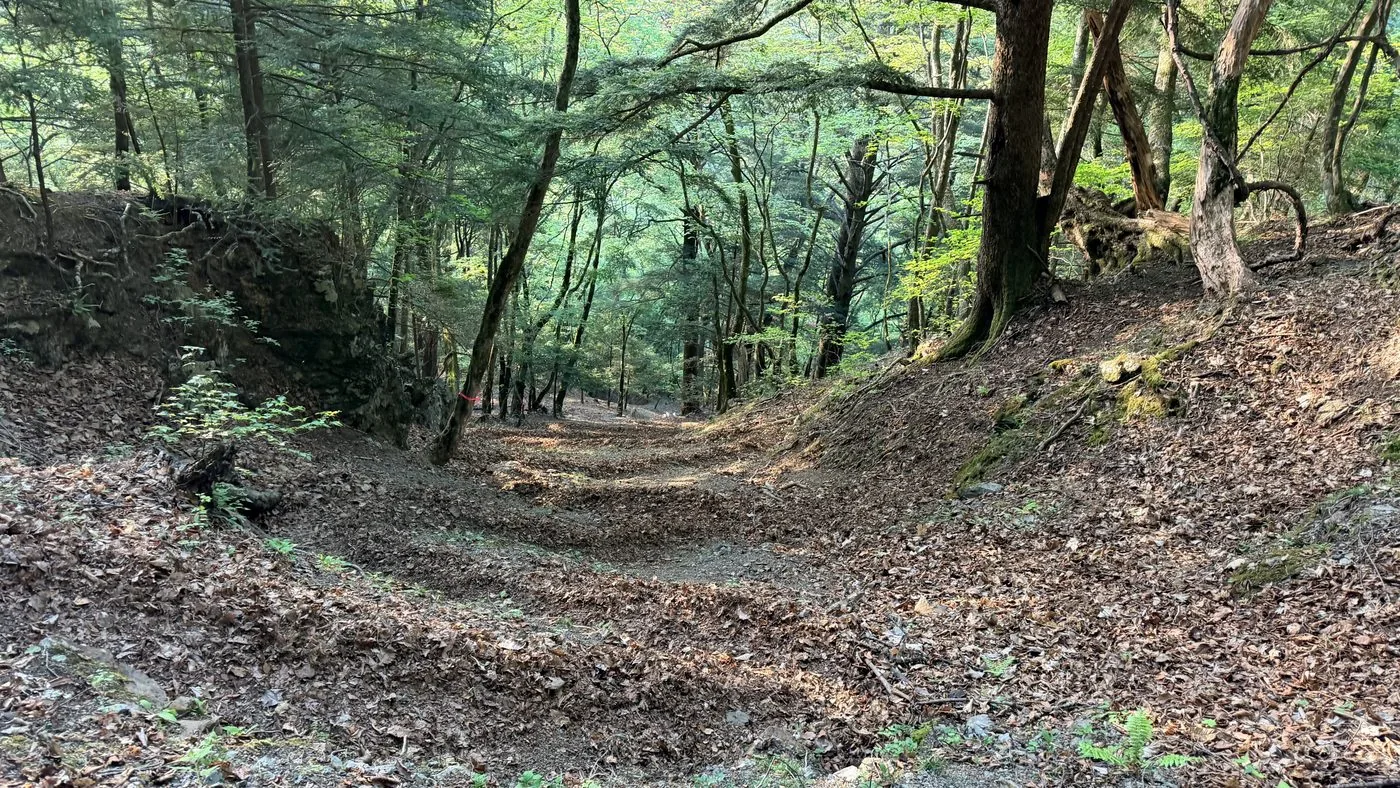
The editor had looked up at this ridge every day from his home in Hokuto City, always thinking "someday." Setting off while it was still dark and taking care through the narrow rocky sections and easily-lost stretches, when he finally climbed it through, it was a day on which he felt from the heart that this is a luxurious traverse where you can see the whole of the Southern Alps at once.
On a day trip, above all, do not overreach. Be thorough about an early start, and if you cannot allow a comfortable margin for your descent time, choose a night at a hut such as Houou-goya. Planning your route and schedule to match your fitness and experience is the safe way.
Routes
Choose your route
Aokikosen (Dondoko-sawa) route
Loop
Difficulty
Advanced
Approx. time
About 12 hours 13 minutes (editor's measured time)
Day trip
Day trip possible · for strong hikers
A varied path where the famous falls come one after another — Minami-Shojigataki, Shiraito-no-Taki and Goshiki-no-Taki. In return, the steep climbing is long and both the distance and elevation gain are large, making it a true test of stamina. The editor walked this route as a day trip.
Yashajin Pass route
Out & back / traverse
Difficulty
Intermediate
Approx. time
A two-day trip (one overnight) is standard
Day trip
Hut stay recommended
Fewer waterfalls to see, but the forest belt and ridgeline are easy to walk, making it the classic route for planning a hut stay using places like Minami-Omuro-goya. Its advantage is that it is easy to choose according to your fitness.
Editor's record
Editor's measured times
The editor's actual timings on this hike (from the video record). Use them as a guide to course times.
04:20Depart Aokikosen (still dark, headlamp on)
06:00Minami-Shojigataki. Famous falls line the stream
07:20Shiraito-no-Taki (around 2,000 m elevation)
08:11Summit Kannondake. Grand views of Mt. Fuji and the Shirane Sanzan from the highest peak
08:30Yakushidake. Bagging all three — Jizodake, Kannondake and Yakushidake
夕方Complete the loop and descend to Aokikosen (about 12h13m in total)
History & culture
History & culture
Houou Sanzan is made up of three peaks named after Buddhist figures — Jizodake, Kannondake and Yakushidake — and has long drawn religious devotion. There are several theories about the origin of the name: one likens the spire "Obelisk" standing atop Jizodake to a phoenix's beak, while another holds that "Houou-zan" is a corruption of "Houou-san" (法王山), which associated this great rock with the Buddha Dainichi Nyorai.
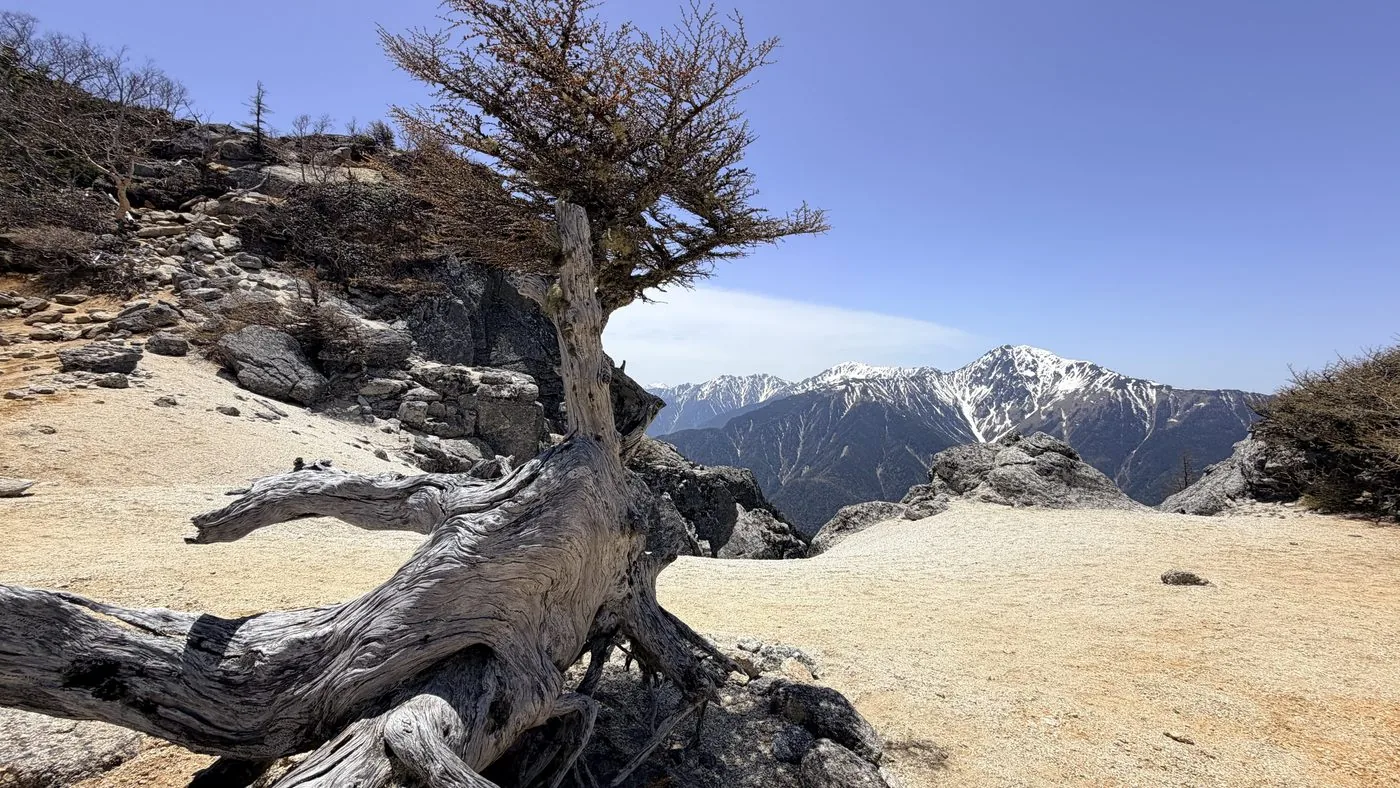
Geologically, too, this is a special mountain. In the Southern Alps, where brown-red rock predominates, Houou Sanzan is one of the few "white granite mountains," alongside Kaikomagatake. The white sand underfoot and the weathered granite crags create a uniquely bright ridgeline. The Obelisk of Jizodake is said to have been first climbed by Walter Weston, the father of modern mountaineering, in the late Meiji era; because reaching the top is a rock climb requiring a rope, it is no longer climbed by the general public today. At Sai-no-Kawara, the col between Jizodake and Akanukezawa-no-Atama, many stone Jizo statues stand in rows, and a faith in praying for children lives on to this day.
From early summer into summer, the rare alpine plant Houou-shajin (a species designated as endangered on the Ministry of the Environment's Red List), which bears the name of the phoenix, comes into flower. When you learn that stories like these overlay that white ridge you look up at every day from Hokuto at the foot of the range, the very same step you take should feel a little different.
Photos
Photos from the trail
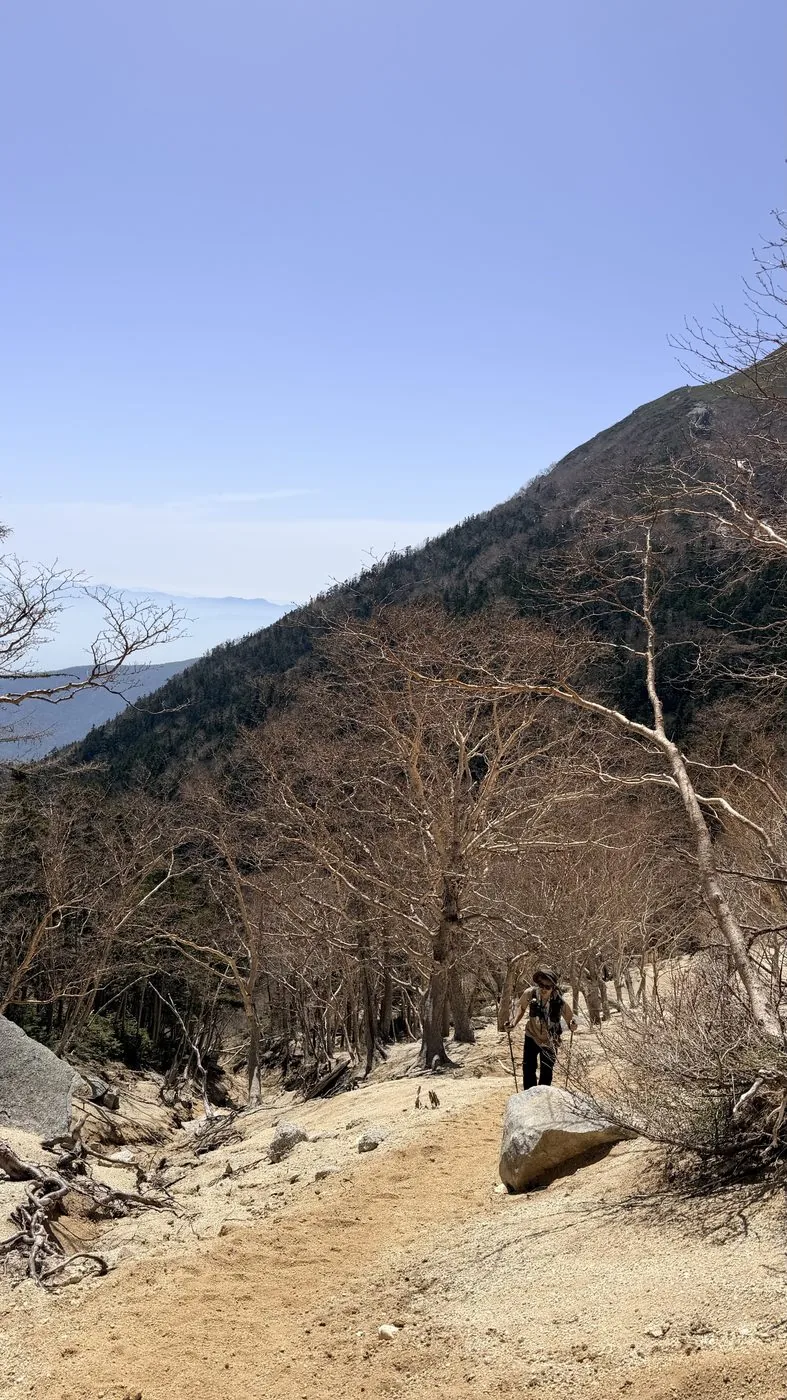
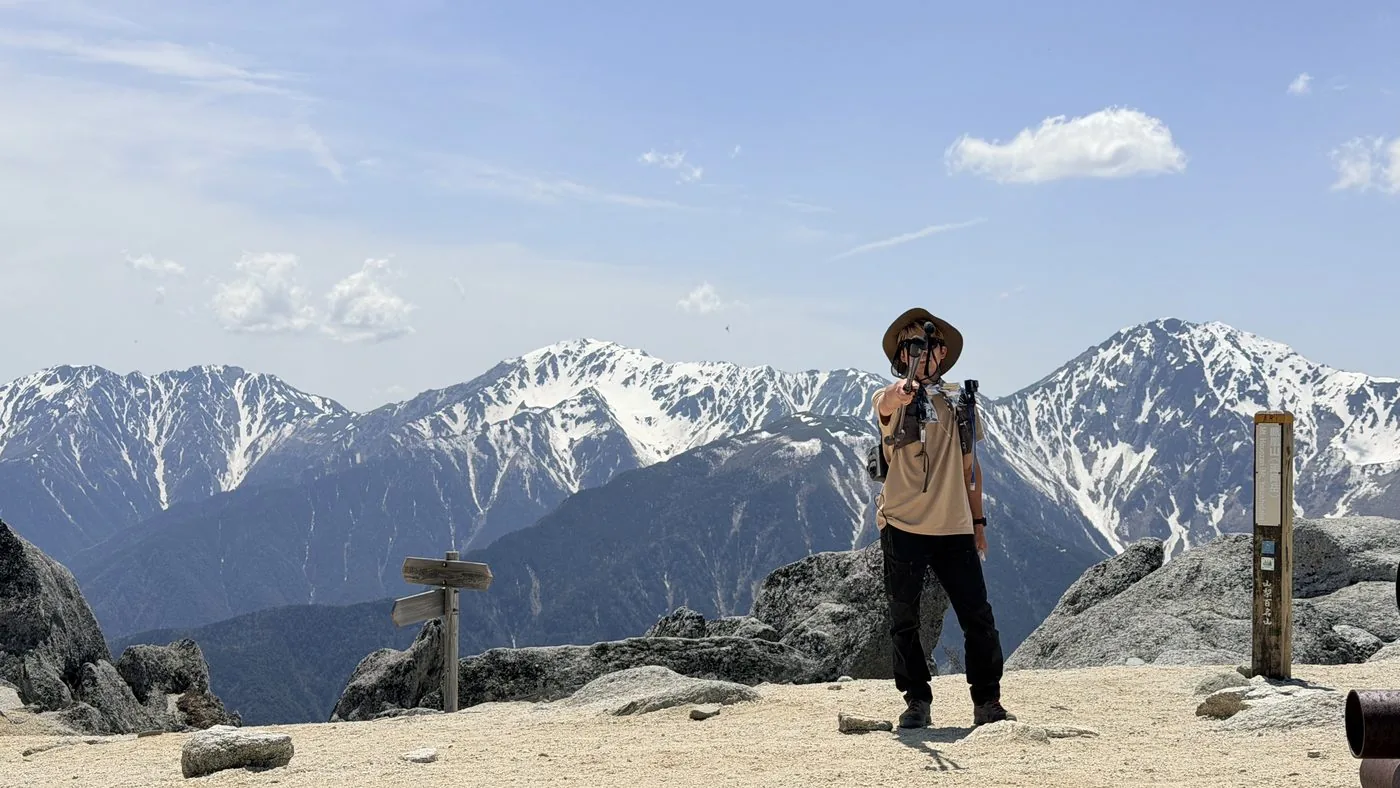
All photos were taken by the editor on the actual hike. Tap to enlarge.
The loop from Aokikosen was a 12h13m haul by the editor's own measurement. Strong hikers can do it in a day, but it is generally safer to stay one night at a hut such as Houou-goya. Either way, an early start is essential.
How do the Aokikosen route and the Yashajin Pass route differ?
The Aokikosen (Dondoko-sawa) route has many waterfall highlights — Minami-Shojigataki, Shiraito-no-Taki, Goshiki-no-Taki and others — but the steep climbing continues and demands stamina. The Yashajin Pass route has almost no waterfalls, but is comparatively easy to walk.
Can you climb the Obelisk of Jizodake?
Reaching the very top of the Obelisk requires a rope and is not recommended for general hikers. Even just looking up at it from below is well worth it. It is a symbolic rock spire said to have been first climbed by Walter Weston, the father of modern mountaineering, in the late Meiji era.
Which is the highest peak of Houou Sanzan?
It is Kannondake, at 2,841 m. You traverse the three peaks of Jizodake, Kannondake and Yakushidake, but because there is a re-ascent from Jizodake to Kannondake, it is best to walk with some energy in reserve.
Can beginners climb Houou Sanzan?
With its large distance and elevation gain, plus rocky sections and stretches where it is easy to lose the way, it is for intermediate to advanced hikers. First build experience on other mountains, and ideally tackle it with an overnight hut stay in your plan for peace of mind.